
Streetwear taking over Nigeria
Streetwear is taking over Nigerian fashion. Once rooted in underground culture, oversized silhouettes, bold graphics and locally inspired designs are now everywhere. Driven by music, youth culture and a new wave of homegrown brands, streetwear is becoming one of the clearest expressions of modern Nigerian identity.
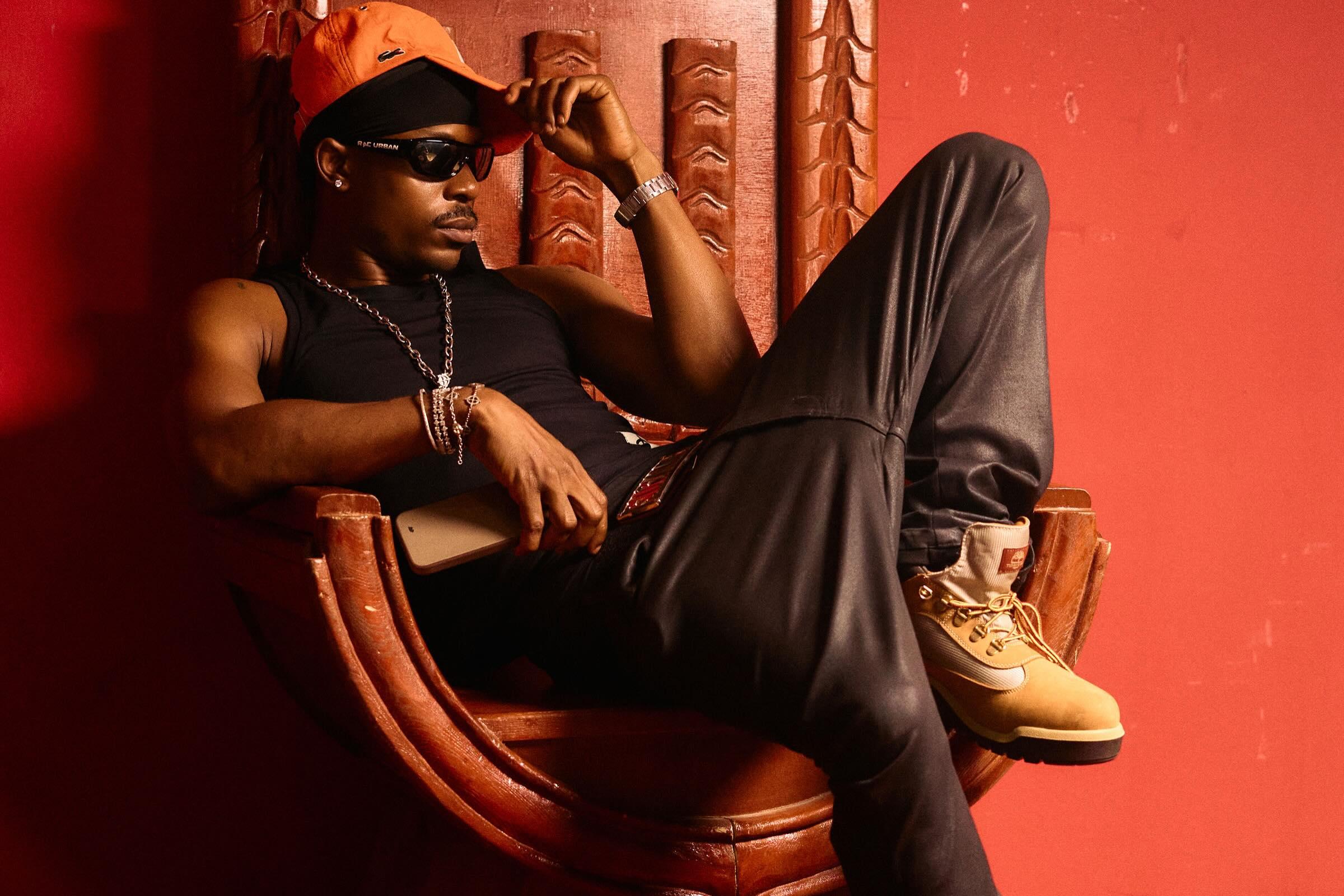
For years, Nigerian fashion was largely defined in the mainstream by two extremes: traditional clothing on one side and polished, occasion-driven fashion on the other. But walk through Lagos today, scroll through Nigerian Instagram, or pay attention to the artists shaping youth culture, and another uniform has taken over.
Oversized T-shirts. Baggy denim. Football jerseys. Heavy graphics. Distressed fabrics. Statement caps. Technical pieces. Sneakers that carry as much personality as the person wearing them.
Streetwear has moved from the edges of Nigerian fashion into its centre.
What makes the shift interesting is that Nigerian streetwear is no longer simply borrowing from American hip-hop, British grime or Japanese fashion culture. A new generation of designers is beginning to translate those global influences into something recognisably Nigerian.
The result is a fashion movement shaped by Lagos, music, internet culture, community and the desire to stand out.
From Subculture to Everyday Uniform
Streetwear has always been closely connected to subcultures.
Its history is tied to skateboarding, hip-hop, graffiti, punk and other communities that created their own visual languages outside traditional fashion institutions. Clothes became a way of identifying who belonged to a particular world.
Nigeria is experiencing its own version of that evolution.
For young Nigerians, particularly those involved in music, photography, design, nightlife and other creative communities, clothing has become an increasingly important form of self-expression.
The traditional idea of dressing “properly” is being challenged by a generation much more comfortable experimenting with proportions, gender, colour and styling.
A shirt does not necessarily have to fit perfectly anymore. Sometimes the point is that it is three sizes too big.
A football jersey does not need to be worn to watch a match. It can be layered over long sleeves, paired with oversized shorts and worn to an event.
Workwear, sportswear and military-inspired pieces can all exist in the same outfit.
The rules are becoming less important.
Identity is becoming more important.
Music Is Driving the Look
It is almost impossible to separate the rise of Nigerian streetwear from the rise of Nigeria's alternative and underground music scenes.
Musicians have always had an enormous influence on fashion. But social media has made that relationship faster and more visible.
An artist wears a particular shirt in a music video. Fans begin asking where it came from. The designer gets tagged. Within days, the piece becomes associated with an entire community.
For underground artists especially, fashion often becomes part of the storytelling surrounding their music.
The clothes communicate something before the listener even presses play.
Baggy silhouettes, unusual accessories, distressed clothing and experimental styling can signal rebellion against the cleaner, more commercial image traditionally associated with mainstream pop stars.
And as those artists grow, the brands around them grow too.
A local streetwear label does not always need a billboard campaign anymore. Sometimes one influential musician wearing a piece can do considerably more.
That relationship has helped turn Nigerian streetwear brands into cultural symbols rather than simply clothing companies.
Lagos Has Become the Runway
The streets themselves are also changing.
Events, concerts, pop-ups, fashion gatherings and creative parties have effectively become unofficial runways.
People are not simply attending anymore. They are dressing to be seen.
In Lagos particularly, where creative communities constantly overlap, an outfit can travel quickly between fashion, music and social media.
Someone wears a new Nigerian brand to an event. A photographer captures them. The picture reaches Instagram. Moodboards repost it. TikTok users discuss the outfit. Suddenly thousands of people have encountered the brand without ever seeing a traditional advertisement.
Street style has become part of the media ecosystem.
And that has changed what young designers are creating.
Instead of producing clothes primarily for formal occasions, designers are increasingly thinking about how garments move through everyday life: what someone would wear to a concert, a creative event, a late-night party or simply while walking through the city.
Nigerian Identity Is Becoming Part of the Product
Perhaps the most important development is that Nigerian streetwear is becoming more confident about where it comes from.
Earlier generations of streetwear consumers often looked almost entirely outside Nigeria for reference points. American rap culture, European football culture and Japanese street fashion provided much of the blueprint.
Those influences are still present, but they are increasingly being mixed with local references.
Designers can pull inspiration from Nigerian slang, football culture, architecture, political history, childhood nostalgia, school uniforms, transport systems or everyday Lagos imagery.
Something as ordinary as the typography on a bus, a familiar phrase from childhood or an old Nigerian advertisement can become the foundation of a graphic.
That is where the scene becomes more interesting.
Streetwear stops being an imitation of what young people in London or New York are wearing and becomes documentation of what it feels like to be young in Nigeria.
The clothing becomes an archive.
The Internet Changed Everything
Previous generations of Nigerian designers faced a major problem: distribution.
Building an audience required physical stores, significant advertising budgets or access to established fashion institutions.
Instagram and TikTok changed that.
A designer can now create ten shirts, photograph friends wearing them, post the campaign online and sell directly to customers.
That accessibility has created an explosion of small independent labels.
Some disappear after a few collections. Others develop loyal communities that follow every drop.
And that idea of the “drop” itself — releasing limited quantities instead of maintaining permanent collections — has helped create urgency around Nigerian streetwear.
People are not always buying because they desperately need another T-shirt.
They are buying because the shirt represents participation in a particular moment or community.
That sense of belonging is one of streetwear's most powerful currencies.
Fashion Is Becoming Less About Status and More About Taste
Nigeria has always had a strong relationship with luxury fashion.
Designer logos traditionally carried obvious social value. Wearing expensive clothes could communicate wealth before anything else.
Streetwear complicates that system.
A ₦30,000 T-shirt from a tiny Lagos label might have more cultural relevance within a particular community than a significantly more expensive designer shirt.
Knowing what to wear increasingly matters as much as knowing how much it costs.
That shift rewards taste.
It rewards people who discover brands early, understand references and know how to combine pieces in unexpected ways.
Fashion becomes less about simply demonstrating purchasing power and more about demonstrating cultural knowledge.
And for a generation raised online, cultural knowledge is valuable.
Where Nigerian Streetwear Goes Next
The Nigerian streetwear scene is still developing.
Many brands continue to struggle with manufacturing costs, inconsistent production, distribution and the difficulty of scaling without losing the exclusivity that made them desirable in the first place.
But the cultural momentum is difficult to ignore.
Streetwear is appearing in music videos, fashion editorials, concerts and increasingly in everyday wardrobes. Nigerian creatives are building brands that speak directly to their own generation rather than waiting for international fashion houses to define what is cool.
And perhaps that is the biggest change.
Young Nigerians are no longer simply consuming global youth culture.
They are creating their own version of it.
The oversized shirts, experimental graphics and baggy silhouettes might be the most visible evidence, but underneath the clothes sits something larger: a generation becoming increasingly confident in its ability to define its own taste.
Streetwear is not just taking over Nigerian fashion.
It is becoming one of the languages through which Nigerian youth culture explains itself.